Overview
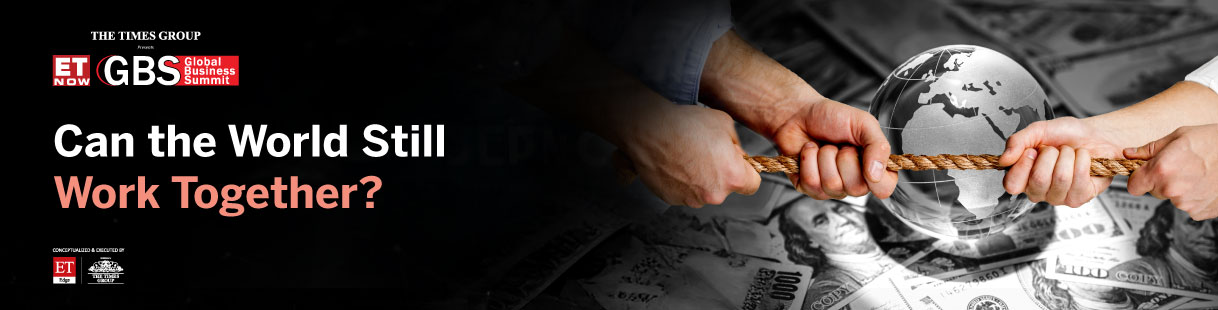
Can the World Still Work Together?
As geopolitical rivalry, economic fragmentation, and strategic competition reshape global relations, international cooperation is facing unprecedented strain. Institutions built on consensus are being tested by diverging national interests, shifting power centres, and regional conflicts.
This panel explores whether meaningful cooperation among nations can still be sustained, how new alliances and partnerships are emerging outside traditional frameworks, and what global governance must look like in a multipolar world.
Core Discussion Themes / Talk Points
- Global institutions face declining consensus amid geopolitical competition.
- Cooperation is becoming harder even as global challenges grow more interconnected.
- Economic nationalism and strategic rivalry are redefining global engagement.
- Nations increasingly prioritize resilience and sovereignty over integration.
- The European Union and India Trade Agreement
- Regional and issue-based coalitions are emerging alongside traditional institutions.
- Flexible cooperation models are replacing universal consensus approaches.
- Developing economies are building new cooperation and financing models.
- Alternative development partnerships are reshaping global influence.
- Institutions must evolve to reflect new economic and political realities.
- Inclusivity, adaptability, and trust will define future cooperation frameworks.
- 14th February 2026
- New Delhi
Speakers






Agenda
From Scale to Significance: Building a $1+ Trillion State Economy
A focused dialogue aimed at moving from intent to institution-building and from opportunity to execution.